
HOW TO CHOOSE THE BEST FLOOR
3 factors to help you choose
|
Without taking these 3 points into consideration, you might not get the best floor for you and your home. So take a look at how these affect you:
With thousands of flooring options available to you, I’m only going to cover the broad categories including: porcelain tiles, stone tiles, linoleum, vinyl, laminate, wood floors, polished concrete and carpet.
- Floor Functionality
- Budget
- Desired Looks
With thousands of flooring options available to you, I’m only going to cover the broad categories including: porcelain tiles, stone tiles, linoleum, vinyl, laminate, wood floors, polished concrete and carpet.
1. Floor Functionality
The most important factor when choosing your new floor.
Depending on your usage, functionality needs to be your first concern. With that in mind, your options are immediately narrowed down. Take a look at these categories to see the best floor choices.
Depending on your usage, functionality needs to be your first concern. With that in mind, your options are immediately narrowed down. Take a look at these categories to see the best floor choices.
Ideal Bathroom and Kitchen Floors
In bathrooms and kitchens you are likely to encounter a lot of moisture, so a moisture resistant surface is your primary concern. Next take into account that these areas are likely to encounter fairly high-traffic, so they should clean easily and be non-porous. The recommended floors that fit such criteria are:
Recommended Flooring — Because they are non-porous and relatively easy to clean.
Not Recommended Flooring — Because they are porous or absorbent.
Recommended Flooring — Because they are non-porous and relatively easy to clean.
- Porcelain Tile Floors
- Stone Tile Floors (Honed and filled is recommended for pocketed stone like travertine).
- Vinyl Floors
- Polished Concrete Floors
Not Recommended Flooring — Because they are porous or absorbent.
- Linoleum Floors
- Laminate Floors
- Wood Floors
- Carpet
Functional Entryways, Hallways & Common Room Floors
Entryways, hallways and common rooms are going to experience a medium amount of traffic. Many floors will work well here:
Recommended Flooring — Because they are relatively easy to clean.
Not Recommended Flooring — Because it is absorbent.
Recommended Flooring — Because they are relatively easy to clean.
- Porcelain Tile Floors
- Stone Tile Floors (Honed and filled is recommended for pocketed stone like travertine.)
- Linoleum Floors
- Vinyl Floors
- Laminate Floors
- Polished Wood Floors
- Polished Concrete Floors
Not Recommended Flooring — Because it is absorbent.
- Carpet
Functional Bedroom Floors
Bedrooms typically have light traffic so comfort is most desirable for you. For that reason the following are great bedroom floor options:
Recommended Flooring — Because they are more comfortable.
Not Recommended Flooring — Because they are less comfortable.
Recommended Flooring — Because they are more comfortable.
- Porcelain Tile Floors with Underfloor Heating
- Stone Tile Floors with Underfloor Heating
- Carpet
- Polished Concrete Floors with Underfloor Heating
- Polished Wood Floors
Not Recommended Flooring — Because they are less comfortable.
- Linoleum Floors
- Vinyl Floors
- Laminate Floors
Functional Exterior Floors
Exterior floors need to be weather-resistant and hard enough to stand up to your outdoor activities. These are the recommended exterior floors:
Recommended Flooring — Because they are water-resistant and durable.
Not Recommended Flooring — Because they are less water-resistant and durable.
If those exterior floor options don’t seem attractive to you, then I suggest river rocks or beach pebbles to cover your unpaved areas. These are smooth, medium sized stones that are fairly comfortable to walk on and are less likely to be kicked around by kids and dogs.
Recommended Flooring — Because they are water-resistant and durable.
- Porcelain Tile Floors
- Stone Tile Floors (Some stone tiles should be sealed immediately after they have bonded to the surface.)
- Pressure-treated Wood Floors
- Composite Wood Floors
- Polished/Unpolished Concrete Floors
- Paver Stones
Not Recommended Flooring — Because they are less water-resistant and durable.
- Linoleum Floors
- Vinyl Floors
- Laminate Floors
If those exterior floor options don’t seem attractive to you, then I suggest river rocks or beach pebbles to cover your unpaved areas. These are smooth, medium sized stones that are fairly comfortable to walk on and are less likely to be kicked around by kids and dogs.
2. Budget
Not the most important factor when choosing flooring.
Now that you have narrowed your floor options down, you should consider what options best fit your budget.
Now that you have narrowed your floor options down, you should consider what options best fit your budget.
Find Your Square Footage
Most flooring options are measured in terms of dollar per square foot, with the exception of carpet which is measured per yard. To get your square footage:
Length X Width = Square Footage
For more tips on square footage see this article on 5 Things You Should Do Before Hiring A Tile Company
- Measure the length and width of your room.
- Round those numbers to the nearest foot.
- Multiply them together to get the square footage of your room.
- If you are installing flooring in several rooms, do steps 1-3 for each and add their numbers together for total square footage.
Length X Width = Square Footage
For more tips on square footage see this article on 5 Things You Should Do Before Hiring A Tile Company
Average Floor Costs in Terms of Square Feet
No matter which flooring you choose, each has material costs and installation costs that need to be considered.
Let’s take a room that is 10ft by 10ft. That gives us a total space of 100 square feet. Below are the potential costs for such a 100 sq ft room:
Let’s take a room that is 10ft by 10ft. That gives us a total space of 100 square feet. Below are the potential costs for such a 100 sq ft room:
| Flooring | Material Costs | Installation Costs | Square Feet | Estimated Costs |
|---|---|---|---|---|
| Polished Concrete Floors | $0.50 to $5.00 | $5.00 | 100 | $550 to $1,000 |
| Vinyl & Linoleum Floors | $0.50 to $5.00 | $5.00 | $550 to $1,000 | |
| Carpet Flooring | $0.50 to $10.00 | $4.00 | $450 to $1,400 | |
| Laminate Floors | $0.60 to $10.00 | $11.00 | $1,160 to $2,100 | |
| Porcelain Tile Floors | $1.00 to $10.00 | $12.00 | $1,300 to $2,200 | |
| Stone Tile Floors | $1.00 to $25.00 | $12.00 | $1,300 to $3,700 |
Keep in mind, the cost will drop as you get more flooring installed, because greater quantities mean lesser costs to your material supplier and installation crew.
Hidden Costs Are Your Enemy
There are hidden costs you should be mindful of when doing your flooring. Hidden costs can include:
When speaking with the flooring company, be sure to ask them about such potential costs you may incur.
- Moving costs when moving your furniture out of the way and potentially storing it.
- Demolition costs when removing and trashing your existing floor in a landfill.
- Preparatory costs including repairing the existing sub-floor and prepping it for installation. These may or may not be included in the installation costs.
- Delivery costs when bringing the flooring material to your home.
When speaking with the flooring company, be sure to ask them about such potential costs you may incur.
3. Desired Looks
A flexible factor when choosing a floor.
With modern technology, your options for flooring styles are wider than ever.
With modern technology, your options for flooring styles are wider than ever.
Stone Floor Tiles Offer a Premium and Distinct Look
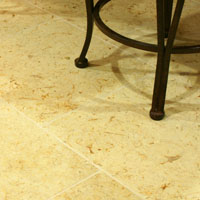
Stone tiles each have their own distinct aesthetic look and texture. Though they can be imitated by cheaper options, there is no mistaking the real thing. Because they are hewn from stone slabs, natural color variations, unmistakable color and various textures are typical for stone tiles.
If you are considering installing stone tile, check out the variety of services we offer.
If you are considering installing stone tile, check out the variety of services we offer.
Porcelain Floor Tiles Are Chameleons
Porcelain tiles are manufactured and printed so that you can find porcelain tile which looks like wood, tile that looks like concrete, tile that looks like brick and commonly tile that looks like stone.
Fortunately for you, porcelain tiles are quite often harder and have a longer lifespan than their counterparts, with the exclusion of stones like granite. While porcelain tile is a fantastic imitation, each piece is silk-screen printed with an identical design. In such a way, the distinct, original look of stone tiles and wood flooring cannot be replicated.
If you are looking into installing porcelain tile, take a look at the services we offer.
Fortunately for you, porcelain tiles are quite often harder and have a longer lifespan than their counterparts, with the exclusion of stones like granite. While porcelain tile is a fantastic imitation, each piece is silk-screen printed with an identical design. In such a way, the distinct, original look of stone tiles and wood flooring cannot be replicated.
If you are looking into installing porcelain tile, take a look at the services we offer.
Linoleum and Vinyl Flooring Are Cheap Chameleons
Linoleum and vinyl are cheaper than porcelain and can mimic wood, concrete, brick and stone. On the negative aspect, linoleum is susceptible to moisture damage, and both linoleum and vinyl are softer than porcelain. Because the design is printed on, they also have a repeating design on their surface.
Laminate Is a Softer, Cheaper Porcelain
Laminate, like linoleum and vinyl has prints that imitate other surfaces. But unfortunately laminate is a soft material and scratches fairly easily compared to porcelain. In addition, laminate needs to be resurfaced periodically to keep it looking nice and clean.
Wood Floors Are Naturally Beautiful
Wood floors have an unmistakable grain and beauty that cannot truly be mimicked by porcelain, linoleum, vinyl and laminate.
While wood floors are often fairly soft and can be scratched easily, they do have the advantage of having a great many options to choose from. Wood also pairs nicely with tile and concrete. It’s no wonder that wood flooring is a popular choice.
While wood floors are often fairly soft and can be scratched easily, they do have the advantage of having a great many options to choose from. Wood also pairs nicely with tile and concrete. It’s no wonder that wood flooring is a popular choice.
Polished Concrete is Simple, Unifying and Utilitarian
Polished concrete is currently in the limelight when it comes to floor design ideas and it’s not hard to understand why. With its simple, toned-down aesthetic, concrete pairs well with many decors. Consider the durability and many homeowners find concrete’s month-long installation process justified.
Carpet is Luxurious
Carpet is soft, often plush and fairly comfortable. Unless you plan on covering up your great tiled floors with with plush rugs, there are no other soft options than a comfortable carpet.
With carpet, dealing with stains and crumbs is a less than pleasant ordeal, but if you have the willpower to keep food away, carpet is a great choice.
With carpet, dealing with stains and crumbs is a less than pleasant ordeal, but if you have the willpower to keep food away, carpet is a great choice.
PUT IT ALL TOGETHER
When remodeling or building your home for the first time, take into account floor functionality, budget and desired to choose the best, most appropriate floor for you.
Here at Tile Plus, we do our best to stay up-to-date in modern styling. In fact, we recently installed tile adjacent to wood in a custom home's entry way. In my own home, we have hardwood in the living room butted up to stone tiles in the hall, which runs up to carpet in the bedrooms. Mixing and matching various flooring options is commonplace and recommended by many designers.
If you are interested in hiring Tile Plus we can install porcelain, ceramic, stone or any other type of tile exactly the way you want. Our estimators will be happy to arrange for a free estimate and work with you to make your tile flooring dreams a reality.
If you are ready to hire us, click on the button below.
Here at Tile Plus, we do our best to stay up-to-date in modern styling. In fact, we recently installed tile adjacent to wood in a custom home's entry way. In my own home, we have hardwood in the living room butted up to stone tiles in the hall, which runs up to carpet in the bedrooms. Mixing and matching various flooring options is commonplace and recommended by many designers.
If you are interested in hiring Tile Plus we can install porcelain, ceramic, stone or any other type of tile exactly the way you want. Our estimators will be happy to arrange for a free estimate and work with you to make your tile flooring dreams a reality.
If you are ready to hire us, click on the button below.